Why Texture and Portion Size Matter in Satisfying Snack Cravings
When we reach for a snack, the goal is often to feel satisfied. Yet many of us have eaten a whole bag of something without registering much pleasure. The culprit is usually a mix of two things: texture and portion size. Understanding how these factors influence satisfaction can help you choose better sweet snacks that leave you content rather than craving more.
Texture: More Than Just a Mouthfeel
Texture is the physical feel of food in your mouth. It affects how quickly you eat, how long the experience lasts, and how your brain registers fullness. A snack that dissolves quickly, like a thin wafer or a puff of airy cereal, delivers a burst of sweetness but little lasting sensation. You swallow almost before you taste it. That makes it easy to eat a large amount without feeling satisfied.
On the other hand, snacks with a chewy or crunchy texture force you to slow down. Chewing takes time. Each bite involves your teeth, tongue, and palate working together. This extended interaction gives your brain more time to register that you are eating. It also stretches the sensory experience, making a smaller serving feel more substantial. For example, a dense, chewy cookie with a bit of resistance will often satisfy a sweet craving faster than a light, crumbly one.
Crunchy textures add a layer of sound and vibration that also contributes to perceived fullness. The crackle of a crisp wafer or the snap of a caramelized coating signals that you are consuming something solid. These cues help your brain compute a sense of volume. Without them, you might finish a snack and feel as though you barely ate anything.
Chewy Centers and Layered Wafers
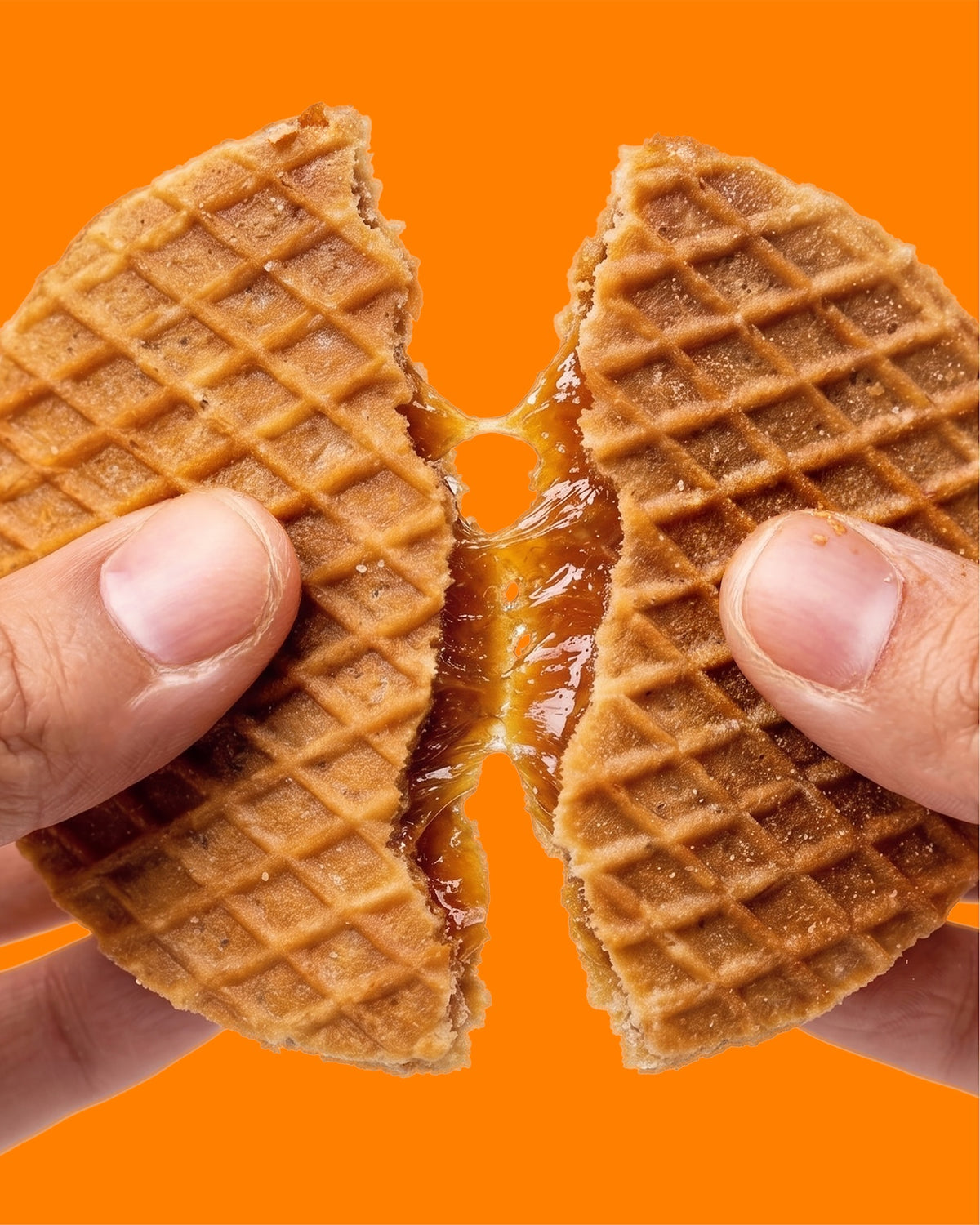
Some snacks combine textures in a single bite. A filled wafer, for instance, has a crisp shell and a soft, chewy center. This contrast keeps the eating experience interesting. Your mouth switches between breaking the shell and working the filling. The variety can make a modest portion feel like a treat rather than a tease. That is part of the thinking behind products like those from ripvan.com, where low-sugar Dutch stroopwafels offer a chewy center inside a thin wafer. The texture encourages slower eating and more satisfaction per gram.
Portion Size: The Hidden Driver of Satisfaction
Portion size is not just about calories. It is about how much food you perceive as a serving. When a snack comes in a large bag, you are likely to eat more before feeling you have had enough. But a smaller, pre-portioned snack can deliver the same enjoyment if its texture and density are right.
The concept of calorie density matters here. Calorie density refers to how many calories are packed into a given weight or volume of food. A snack with low calorie density, such as puffed rice or airy chips, takes up a lot of space but provides little energy per bite. You need to eat a large volume to feel satisfied, which often leads to overeating. A snack with moderate calorie density, like a dense wafer or a chewy bar, delivers more satisfaction per bite. You can eat a smaller portion and still feel full.
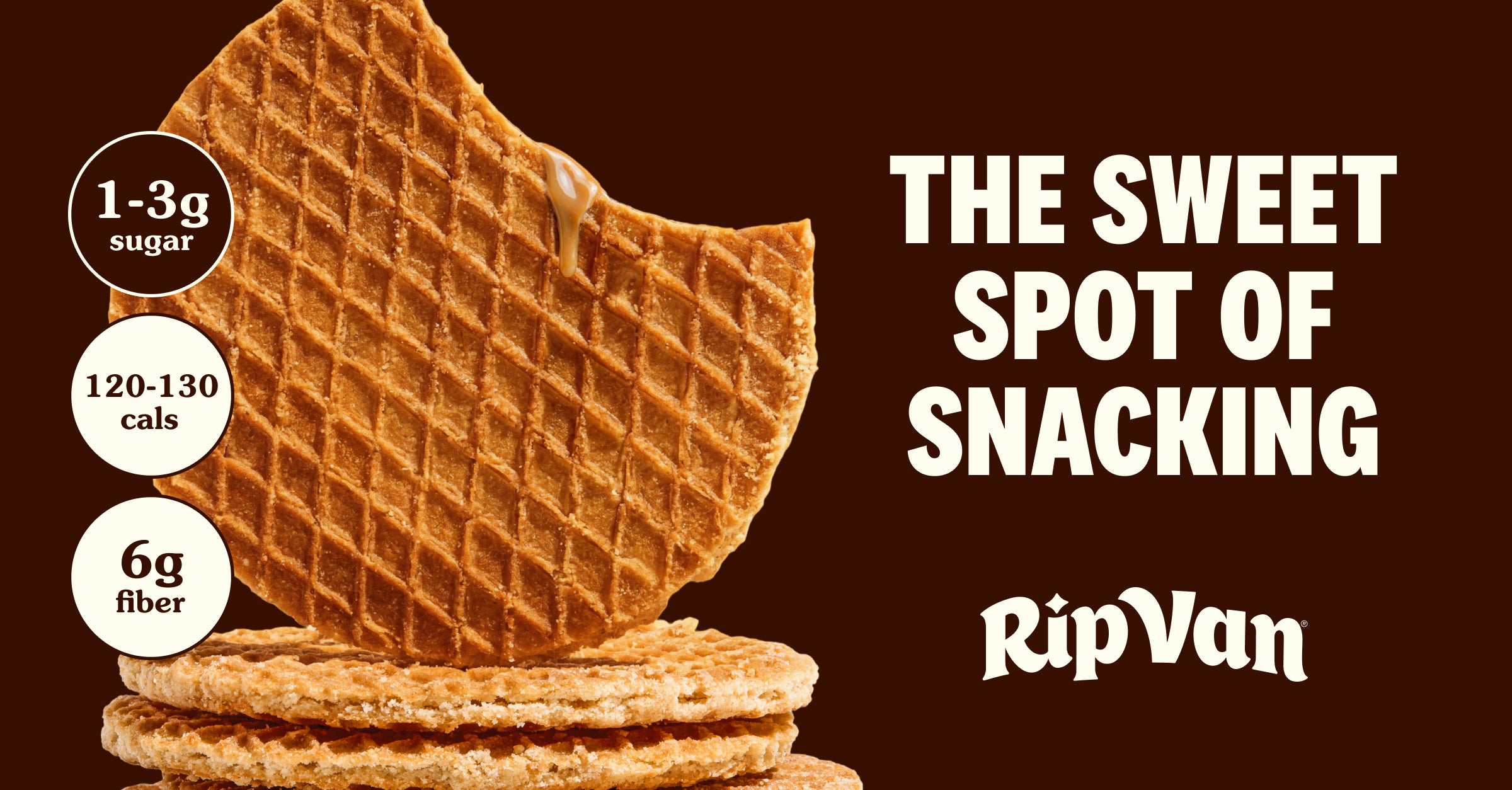
Fiber content plays a role too. Fiber adds bulk without many calories, and it slows digestion. Snacks that contain fiber, either naturally or as an added ingredient, help you feel fuller for longer. That means a small, fiber-rich sweet snack can curb your dessert cravings more effectively than a larger serving of a fiber-free option.
How Habit Formation Fits In
Your snack habits also influence how texture and portion size affect you. If you are used to eating a certain amount of a snack, your brain expects that volume. A change in portion size can feel unsatisfying at first, even if the snack is more textured. Over time, though, your habits adjust. Choosing a snack with a satisfying texture and a reasonable portion size can help you form a new, more balanced eating pattern. This is a key part of snack substitution, where you replace a less satisfying snack with one that gives you more pleasure per bite.
What This Means for Your Snack Choices
When you look for better sweet snacks, think beyond just sugar content. Texture and portion size are just as important. A snack that is chewy, crunchy, or layered will likely satisfy your craving with less food. A snack that is pre-portioned or naturally dense helps you stop at a sensible amount. Combining these two factors can make a real difference in how you feel after eating.
For example, a single stroopwafel from ripvan.com has a crisp wafer exterior and a chewy caramel-like filling. The texture demands slow eating. The portion is a single, round wafer, not a pile of pieces. That combination can turn a quick sugar fix into a more deliberate, satisfying moment. You might find that one wafer is enough, whereas a handful of lighter snacks would leave you wanting more.
Practical Tips for Choosing Snacks
- Look for snacks with a chewy or crunchy texture. Avoid ones that dissolve instantly in your mouth.
- Check the serving size. A smaller, denser snack often satisfies more than a large, airy one.
- Consider fiber content. A few extra grams of fiber can boost fullness without changing the taste much.
- Pay attention to how you eat. If you finish a snack and still feel hungry, the texture might be too light or the portion too small for your needs.
- Give your habits time to adjust. Switching to a more textured, denser snack may feel odd at first, but your brain will adapt.
Balancing Enjoyment and Control
There is no single perfect snack for everyone. Personal preference plays a big role. Some people love a crispy, airy texture; others prefer a dense, fudgy bite. The key is to match the snack to your own sense of satisfaction. If you know that a chewy center helps you feel full after one serving, choose that. If a crunchy shell makes you eat more slowly, look for that.
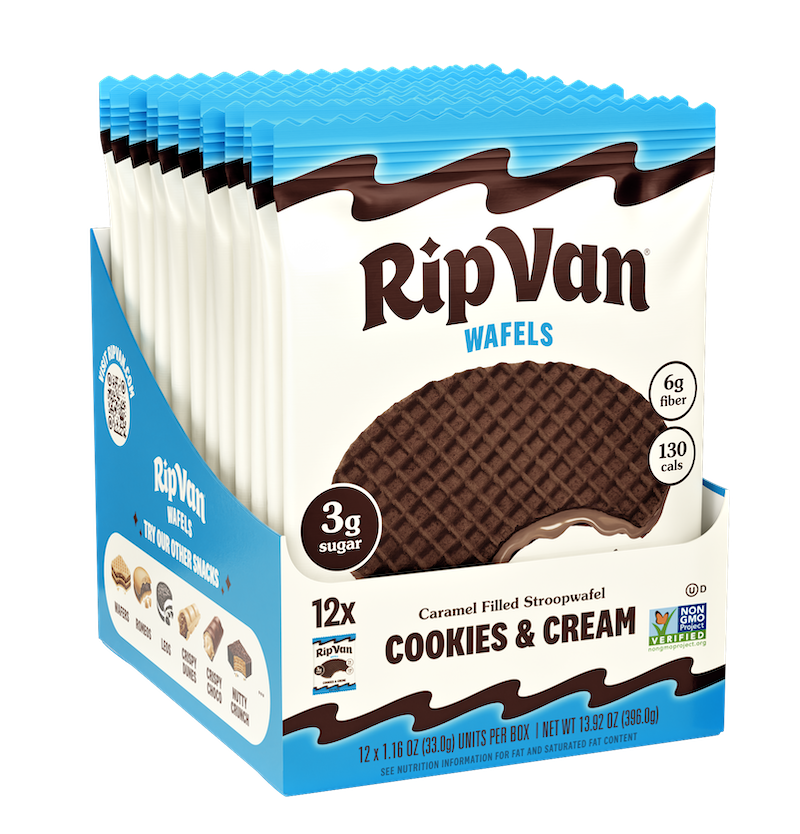
Portion size also varies by person. A small snack may be enough for one person but not another. The important thing is to be aware of how much you are eating and whether it matches your hunger. Using texture to extend the eating experience can help you feel satisfied with less.
Ultimately, better sweet snacks are those that deliver pleasure without requiring a large volume. By focusing on texture and portion size, you can make choices that support your goals while still enjoying a treat. The next time you crave something sweet, pay attention to how the snack feels in your mouth and how much you need to eat to feel done. That awareness alone can shift your snacking habits toward more satisfying outcomes.